“THE CORNER STONE OF A SUCCESSFUL TECHNICAL CAREER IS PROFESSIONAL MASTERY"
Ir. Wim Leenhouts FIChemE CEng (Chief Process Engineer, Shell)
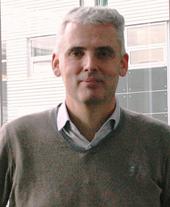
“My first job after graduating from Delft was in technology development at the Shell Research Centre in Amsterdam. I was lucky to get involved right away in the implementation of new technology in a project in Malaysia and get first hand experience of the challenges of technology implementation on commercial scale. After that I had several roles in technology development, design (integration) and operations in various countries. Responsibilities included design lead for multibillion gas projects and later responsible project manager for the early phases of these types of projects. Currently I am the Chief Process Engineer of Shell and responsible for the Chemical Engineering community of almost 3000 people in Shell. One of my responsibilities is competence development for this group of engineers."
“The corner stone of a successful technical career (whether that is in R&D or in engineering design and operation) is professional mastery and a master's degree is only the starting point of the journey to obtain that mastery. It is needed to develop deep technical knowledge and skills, but also to develop the competences to deal with the multi-disciplinary nature of the complex challenges we all are dealing with. These what I would call “integrative" competences include both technical and behavioral aspects and are essential to work with and across disciplines and businesses. It will take years and probably multiple roles to build those. Building a career is about making choices and about focus. Of course a PhD is the best step for a career in (industrial) R&D, but those with ambition for a career in design (integration) and/or operation in industry should seriously think through what the step after a PhD should be. There will be competence gaps compared to engineers that started to work in these areas right after their master's degree and it will be a significant investment in time and effort to arrive at the same level. Many are successful in doing so, but it might be wise not to wait too long with such a move."
“But without doubt the most of important aspect of building a career is finding out where your own passion and energy is. That could be challenging because the opportunities for chemical engineers are very diverse (both technical and non-technical) and on top of that it is quite likely that your own interests will change in time as well. But in the end that is a great problem to have…!"